Brand & Belonging
Why a portrait is a turning point
28 May 2026 · 1 min read
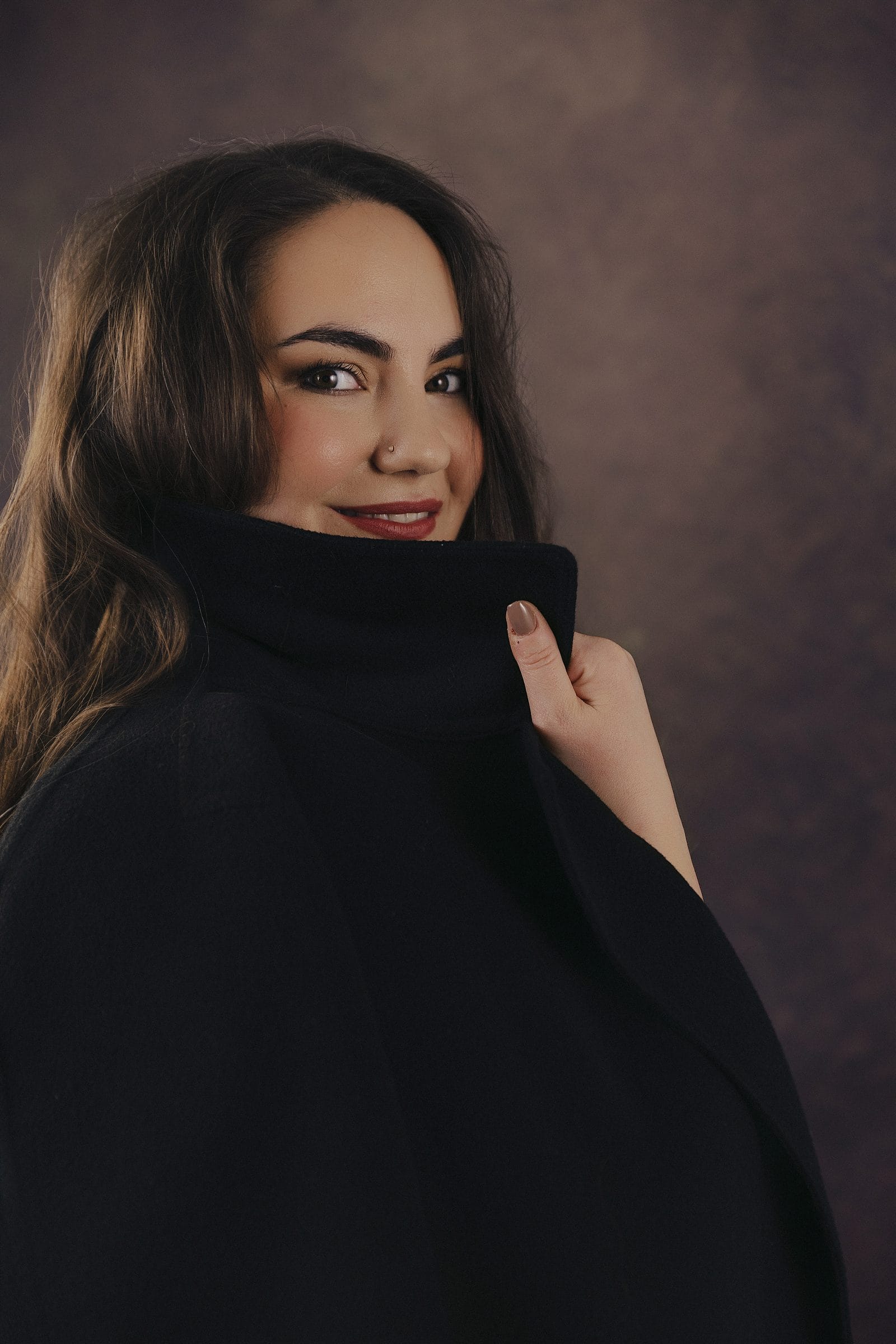
Most women arrive at the studio apologising in advance.
For the laugh lines, the year they've had, the photo on their passport. They tell us, gently, not to expect too much. And almost every time, by the end of the day, that same woman is standing taller, not because we changed her, but because, for a few hours, nobody asked her to be smaller.
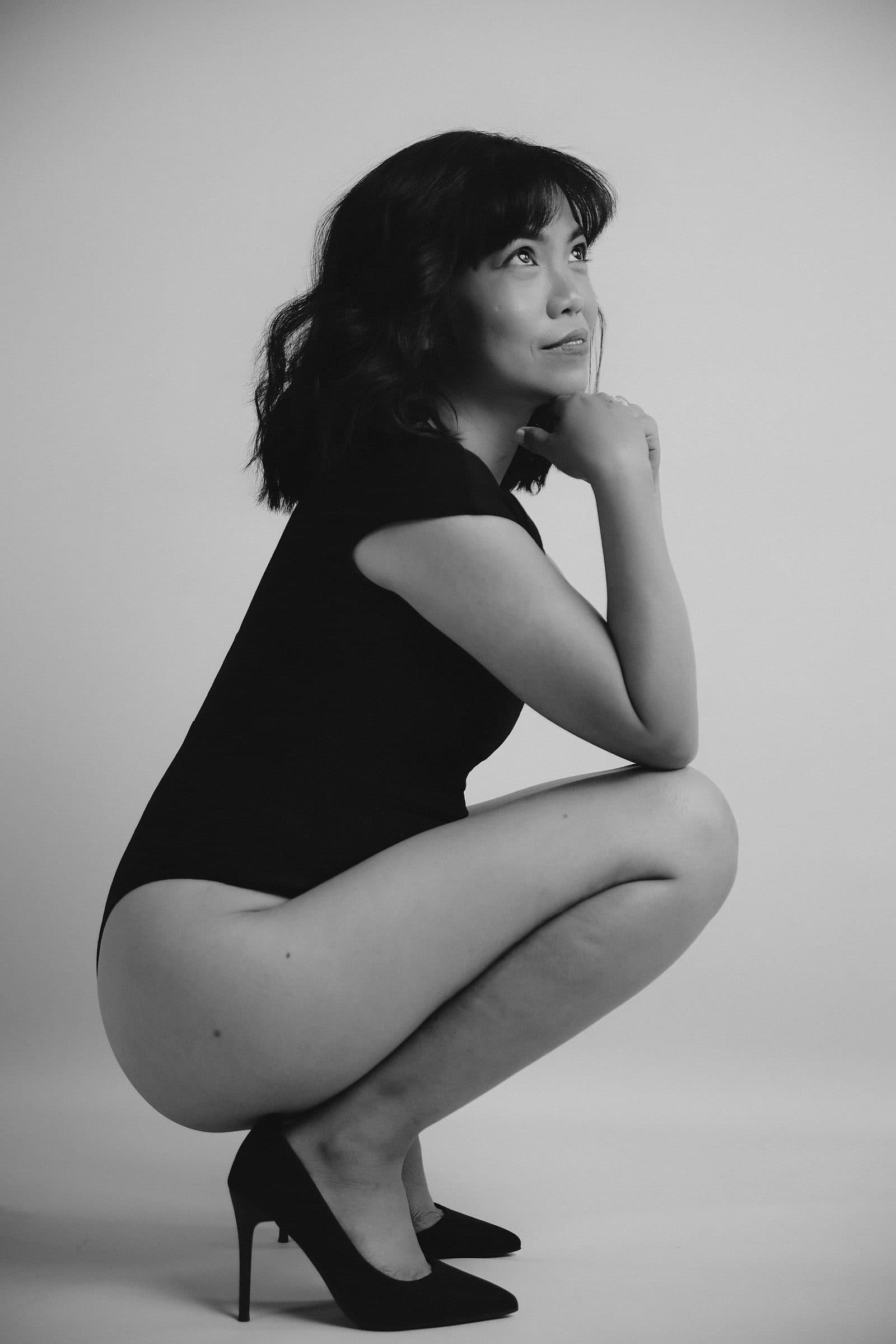
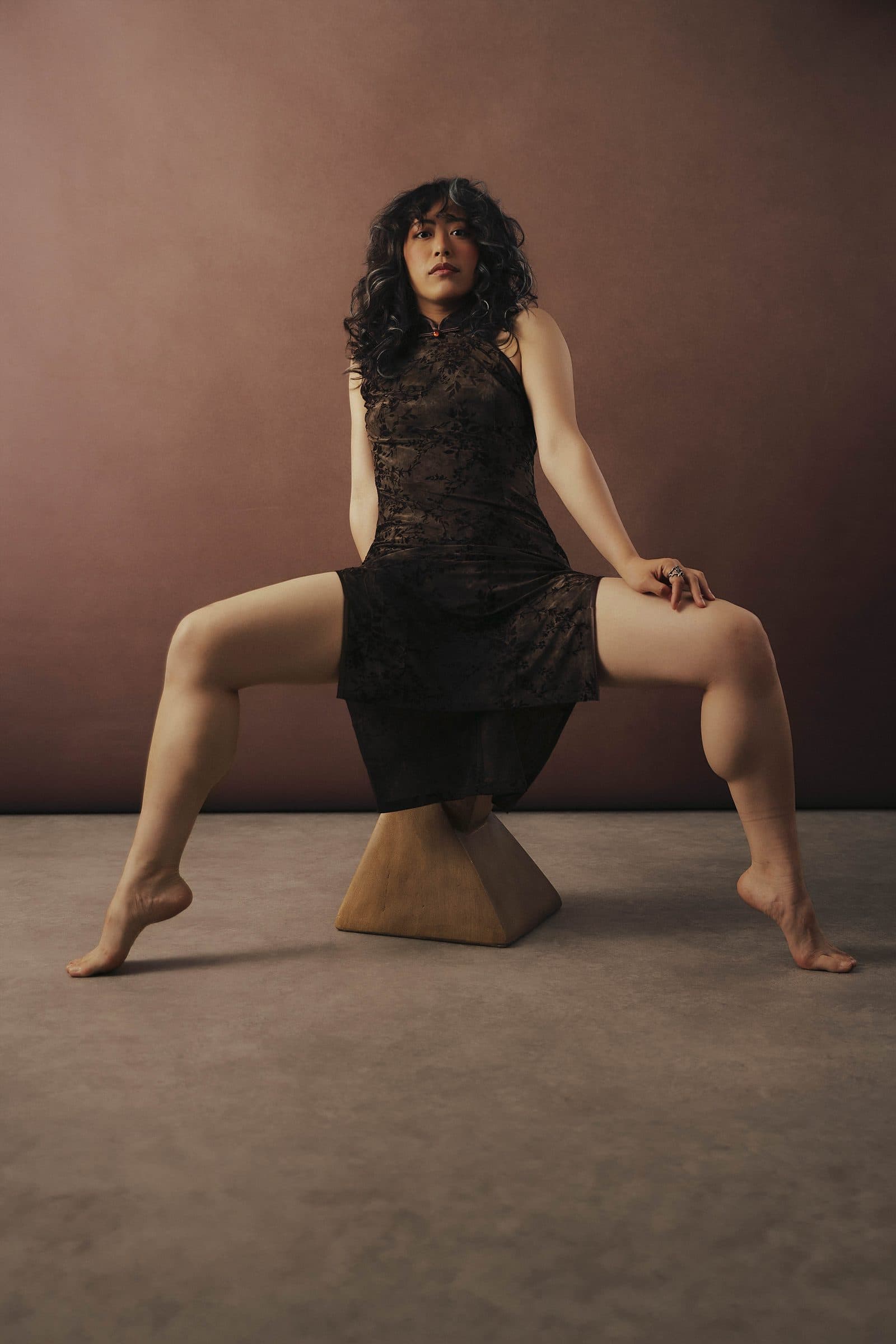
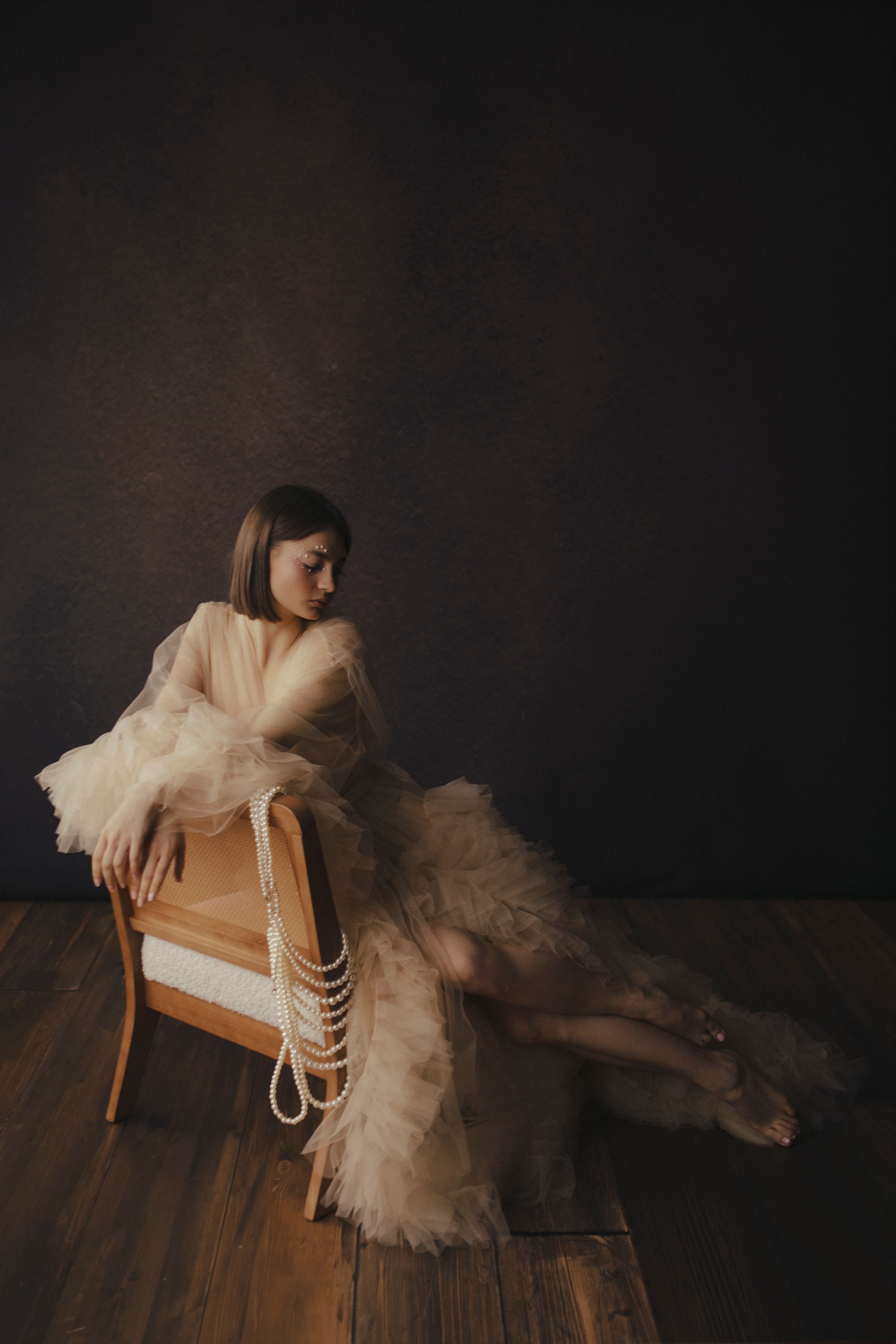
That is the quiet thing a portrait does. It is not a record of how you look. It is a decision to be seen.
We spend our lives on the other side of the lens. We are the ones taking the picture at the birthday, holding the camera at the wedding, making sure everyone else is captured and remembered. Turning the lens around feels, at first, like an indulgence. It isn't. It is a small act of self-respect, the same one you'd give anyone you loved without a second thought.
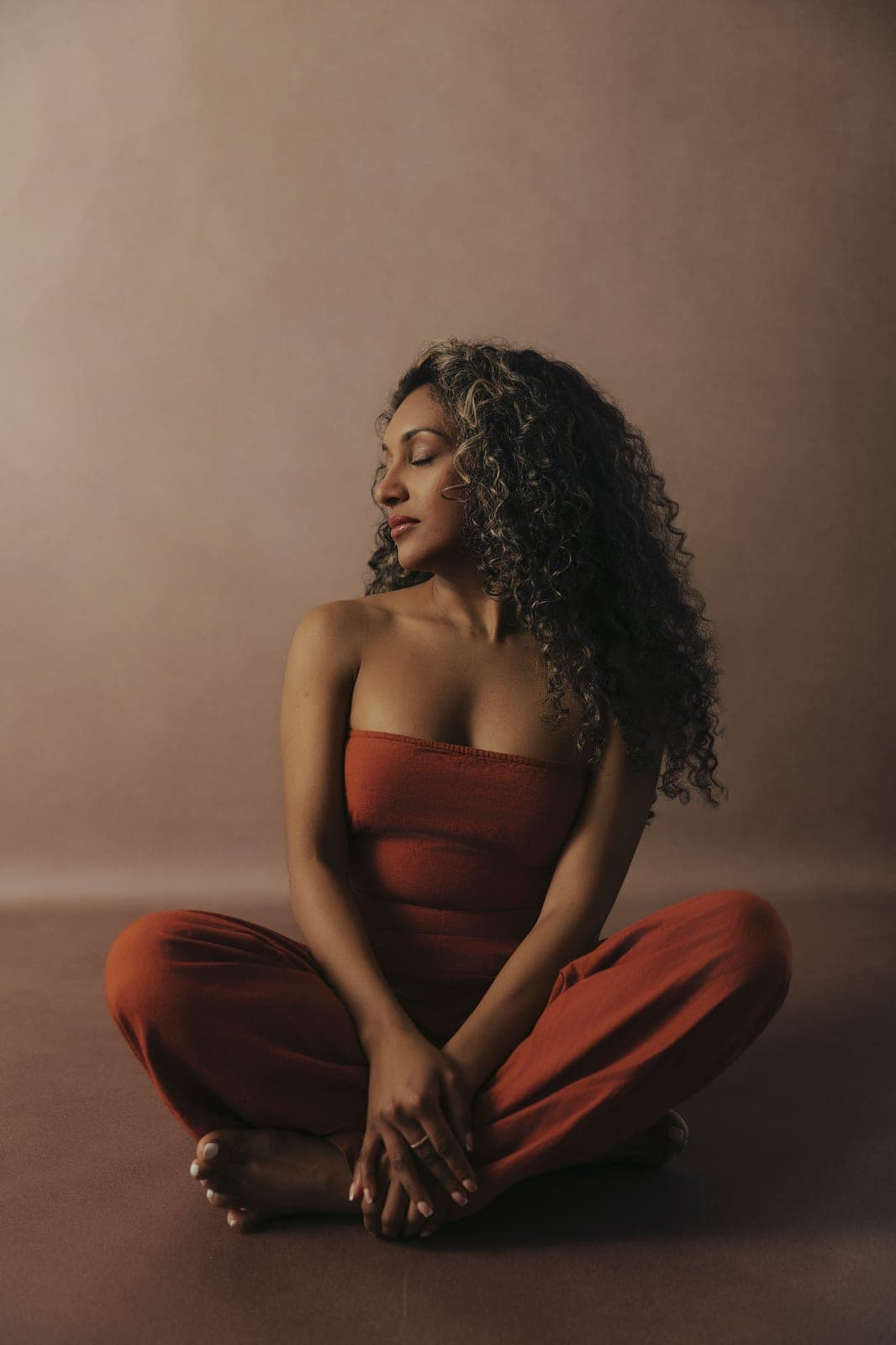
Something shifts when you let yourself be looked at with attention rather than judgement. The shoulders drop. The performance falls away. And the image that comes back isn't a flattering fiction. It's a truer version of you than the mirror has shown you in years, because the mirror only ever catches you mid-criticism.
This is why we call it a turning point and not a session. The photographs are the proof, but they are not the point. The point is the woman who walks out. The one who has remembered she is allowed to take up space, to be the subject, to be the one we all gather around.
She was always there. The portrait simply gives her somewhere to stand.
When you are ready to meet her, we will be here.